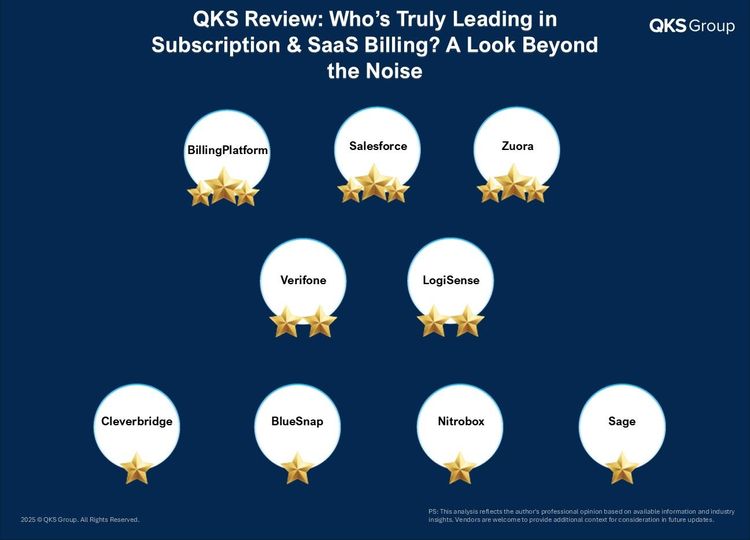
Vendors Setting the Pace
These SSBMA vendors are redefining what modern billing platform looks like. They bring advanced AI automation, real-time data orchestration, and global compliance capabilities to the forefront. With deep support for complex monetization models and a clear technology vision, BillingPlatform, Salesforce, and Zuora are not just keeping up, they’re moving the market forward. Their platforms deliver directly to the needs of finance, IT, and customer success teams seeking scalable revenue infrastructure.
BillingPlatform: Designed for Complexity, Scaled for Global Ambition
BillingPlatform continues to operate in a league of its own when it comes to managing high-volume, usage-based billing at scale. Its metadata-driven architecture and no-code configurability give enterprises the power to adapt without development bottlenecks. The platform’s built-in mediation engine, CPQ tools, AI-powered anomaly detection, and voice-enabled workflow configuration aren’t just checkboxes, they reflect a deep understanding of revenue lifecycle complexity. Support for multi-currency, multi-language billing and embedded taxation compliance makes it a global-ready platform. Unlike many peers, BillingPlatform doesn’t just automate, it orchestrates. For enterprises navigating hybrid monetization models and global tax frameworks, it sets a high standard for what billing agility should look like in 2025.
Salesforce: Where Billing Meets CRM Intelligence
Salesforce’s subscription billing capabilities with the Revenue Cloud Billing offering reflect the strategic coherence of its broader Revenue Cloud. The seamless flow from CPQ to billing and revenue recognition positions it well for businesses looking to unify sales and finance. AI-powered dashboards, predictive dunning, and support for usage-based, contracted, and block pricing models give users a mature toolkit. What sets Salesforce apart is its self-service subscription configuration experience, a consumer-grade interaction layered on top of enterprise complexity. While not the most functionally dense billing platform, it wins through integration, data continuity, and its expanding AI footprint. Salesforce is demonstrating that billing isn’t just about invoices; it’s about building intelligent, forward-looking revenue operations.
Zuora: Lifecycles Over Transactions
Zuora’s strength lies in its clear alignment with the entire subscription lifecycle. From pricing and quoting through to revenue recognition, renewals, and dunning, Zuora presents a tightly integrated suite. The platform’s AI-driven analytics and revenue automation capabilities make it well-suited for SaaS, Media, and Manufacturing providers navigating real-time consumption and complex compliance requirements. Zuora Revenue and Zuora Collect both demonstrate depth in handling ASC 606/IFRS 15, and the platform's recent investments in usage-based pricing and customer insights have elevated its relevance in competitive deals. While Zuora may face pressure from newer entrants on UI modernization, it continues to deliver where it matters most- operational resilience and billing precision.
Solid but Still Evolving
These vendors offer capable platforms, particularly suited to mid-sized businesses and niche verticals. Verifone and LogiSense offer reliable solutions with a strong core. These vendors meet the operational needs of many businesses, especially those with sector-specific billing scenarios or global payment demands. However, their innovation pace and platform extensibility still trail the leaders. While they excel in some areas, both need to build stronger cross-functional narratives and push further into AI-driven monetization and lifecycle automation to remain competitive at the top tier.
Verifone: Built for Global Payments, Evolving for Billing Intelligence
Verifone’s 2Checkout platform combines global payment infrastructure with recurring billing capabilities, serving over thousands of merchants across multiple countries. It’s particularly strong in handling localization, fraud prevention, and subscription lifecycle operations like renewals, dunning, and upselling. The platform's modularity makes it suitable for SaaS, digital goods, and retail. However, its roadmap leans heavily on enhancing existing capabilities rather than redefining the space. While Verifone is a solid choice for merchants with complex global payment requirements, it faces stiff competition from nimbler, billing-first platforms when it comes to deep monetization orchestration and adaptive AI features.
LogiSense: Usage Economy Expertise, But Visibility Lags
LogiSense positions itself well in industries like IoT and telecom, where complex, real-time billing logic is a necessity not a luxury. Its strength lies in usage-based pricing, real-time analytics, and adaptive billing workflows. The platform is integration-friendly and compliance-aware, offering value to operators dealing with high billing variability. But LogiSense’s relatively limited market visibility, especially outside niche verticals, raises questions about scalability and partner ecosystem maturity. While the technical foundation appears strong, the lack of broader enterprise presence and muted go-to-market traction means it still has ground to cover before being considered alongside category leaders.
Capabilities Falling Behind the Curve
Despite credible offerings, these vendors risk falling behind as the bar for billing excellence rises. Cleverbridge, BlueSnap, Nitrobox, and Sage each bring value in specific areas, but their platforms lack the depth, scalability, or ecosystem maturity seen in top-tier solutions. In a market where agility and innovation are non-negotiable, the limitations in product execution, visibility, or roadmap delivery are increasingly hard to overlook.
Cleverbridge: Retention Focused, But Narrow in Scope
Cleverbridge leans hard into customer retention, revenue recovery, and lifecycle automation but its value proposition feels overly specialized. While its platform supports subscription renewals, customer self-service, and global payment compliance, the billing architecture lacks the extensibility and feature richness demanded by enterprise finance teams today. The roadmap speaks to product-led growth and AI-enriched retention triggers, yet core capabilities like deep usage rating, CPQ integration, or revenue analytics are either absent or thin. Cleverbridge works well for digital services with lightweight billing needs, but for companies seeking to scale hybrid monetization models globally, the offering can feel limited in scope and depth.
BlueSnap: Payments-First, Billing-Second
BlueSnap’s strength clearly lies in its global payment gateway infrastructure. With support for multiple currencies, real-time fraud protection, and intelligent routing, it’s a compelling solution for cross-border payments. But when it comes to full-featured subscription billing and revenue operations, the offering feels bolted on, not purpose-built. While recurring billing, dunning, and proration are supported, the platform lacks the depth in compliance reporting, contract billing orchestration, and enterprise-grade configurability found in more focused billing solutions. For companies prioritizing merchant services over monetization architecture, BlueSnap can deliver. But for finance teams managing complex revenue policies, the billing layer may prove too shallow.
Nitrobox: Ambitious, but Still Emerging
Nitrobox brings a modern, API-first approach to billing and monetization, with promising use cases in automotive, manufacturing, and smart equipment. Its support for high-volume usage data, framework agreements, and global compliance suggests technical maturity. However, Nitrobox’s industry adoption and product maturity haven’t yet caught up to its ambitions. Many of the features in its roadmap like CPQ, BI, or customer self-service are already table stakes in the broader market. While Nitrobox positions itself for digital transformation at scale, limited brand visibility, lack of enterprise case studies, and slower go-to-market momentum keep it on the periphery of serious vendor evaluations for now.
Sage: Reliable for Finance, But Underdelivering in Billing Innovation
Sage Intacct is a trusted financial management solution, especially for SMBs looking for cloud-based control. Its subscription billing functionality covers the essentials automated invoicing, ASC 606/IFRS 15 compliance, and real-time dashboards. But in a billing market demanding advanced revenue logic, AI-driven orchestration, and usage-based precision, Sage’s offering doesn’t push boundaries. Its roadmap is filled with generative AI promises, yet the platform still lacks the enterprise extensibility, flexible monetization logic, and composable integrations required in multi-product SaaS environments. While Sage wins on reliability and ecosystem stability, it risks being seen more as a supporting financial layer than a modern monetization engine.
Final Thoughts
The Subscription & SaaS Billing market is no longer defined by basic invoicing capabilities, it now demands platforms that can power global growth, enable flexible pricing, and automate the entire revenue lifecycle. Vendors like BillingPlatform, Salesforce, and Zuora are setting that bar, fusing innovation with operational scale. Others, like Verifone and LogiSense, show promise but must push harder on extensibility and intelligence. Meanwhile, vendors such as Cleverbridge, BlueSnap, Nitrobox, and Sage risk being left behind if they don’t accelerate product evolution. In a market where billing is the backbone of customer experience and revenue integrity, differentiation lies in adaptability, not just compliance. AI, real-time orchestration, and global readiness are no longer optional, they’re expected. The market is watching closely. And so are we.
Disclaimer:
This blog is based on independent research and publicly available information. The insights presented reflect the views of QKS Group and are for informational purposes only. While we strive for accuracy, we do not guarantee completeness or absolute correctness. Vendors are welcome to provide clarifications or updates. If any vendor listed in this analysis wishes to provide additional context or clarification, we welcome a briefing call and will consider incorporating relevant updates. This analysis is not intended to disparage any vendor but to provide an informed, balanced perspective. We encourage open and constructive dialogue to foster transparency and a deeper understanding of the industry.
Author: Abhishek Dubey, Analyst - Revenue Lifecycle Management at QKS Group